

Private events revenue in 90 days
Within 90 days, the engine produced a qualified private-event pipeline and closed $40,000 in private events revenue. The engagement is ongoing.
Results
whether the system is real.
These proof points are not generic restaurant-marketing claims. They show what Codex actually installed for Catch Carmel and El Colibrí, and why the buying question is always who will own response and follow-up once demand starts coming in.
Proof points are tied to booked commercial outcomes, not generic awareness.
Each example shows the demand path and the internal operating need behind the result.
The case-study pages now support deeper review without changing the homepage proof tiles.
Top-line proof
The examples below replace the older placeholder proof. These are the current restaurant outcomes shown on the homepage and supported by dedicated case-study pages.
Within 90 days, the engine produced a qualified private-event pipeline and closed $40,000 in private events revenue. The engagement is ongoing.
Within 90 days, the catering pipeline drove $41,000 in booked catering revenue.
Case studies
Each case study has its own page so the proof library can expand without reworking the results page each time.
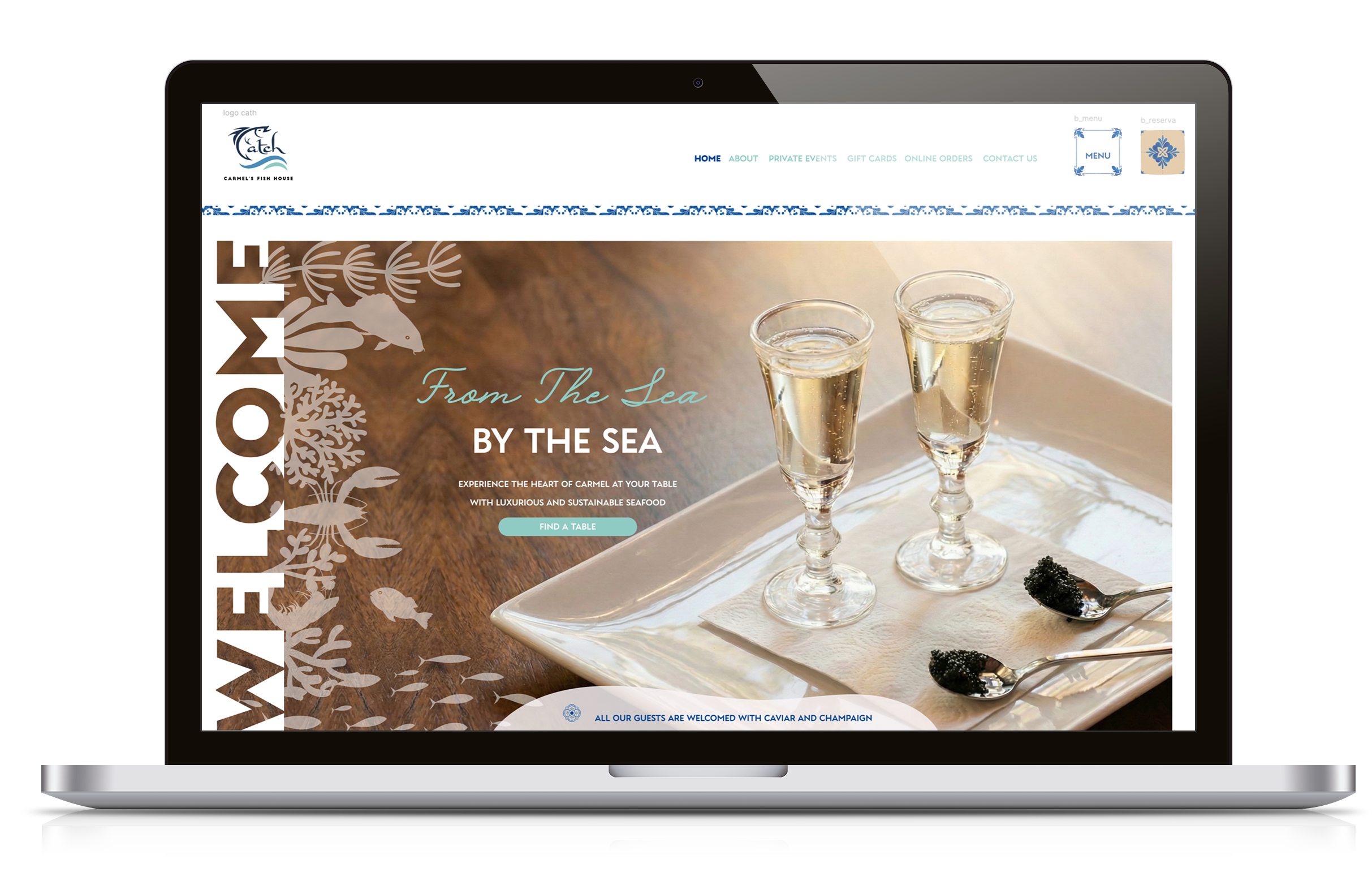
Private events pipeline
Catch Carmel is a fine-dining restaurant in Carmel-by-the-Sea with a private dining room that wasn’t being actively marketed. Private event inquiries arrived inconsistently, landed in shared inboxes, and often went stale before anyone could respond. The opportunity was obvious — fine dining in Carmel commands premium per-head pricing on buyouts — but there was no system to capture and convert it.
A dedicated private-events inquiry funnel separate from the main restaurant site, built around buyer intent rather than general dining traffic.
Private events revenue in 90 days
Private-event demand is easiest to monetize when inquiry capture, routing, and follow-up are treated as one operating system instead of scattered marketing tasks.
Read the full case study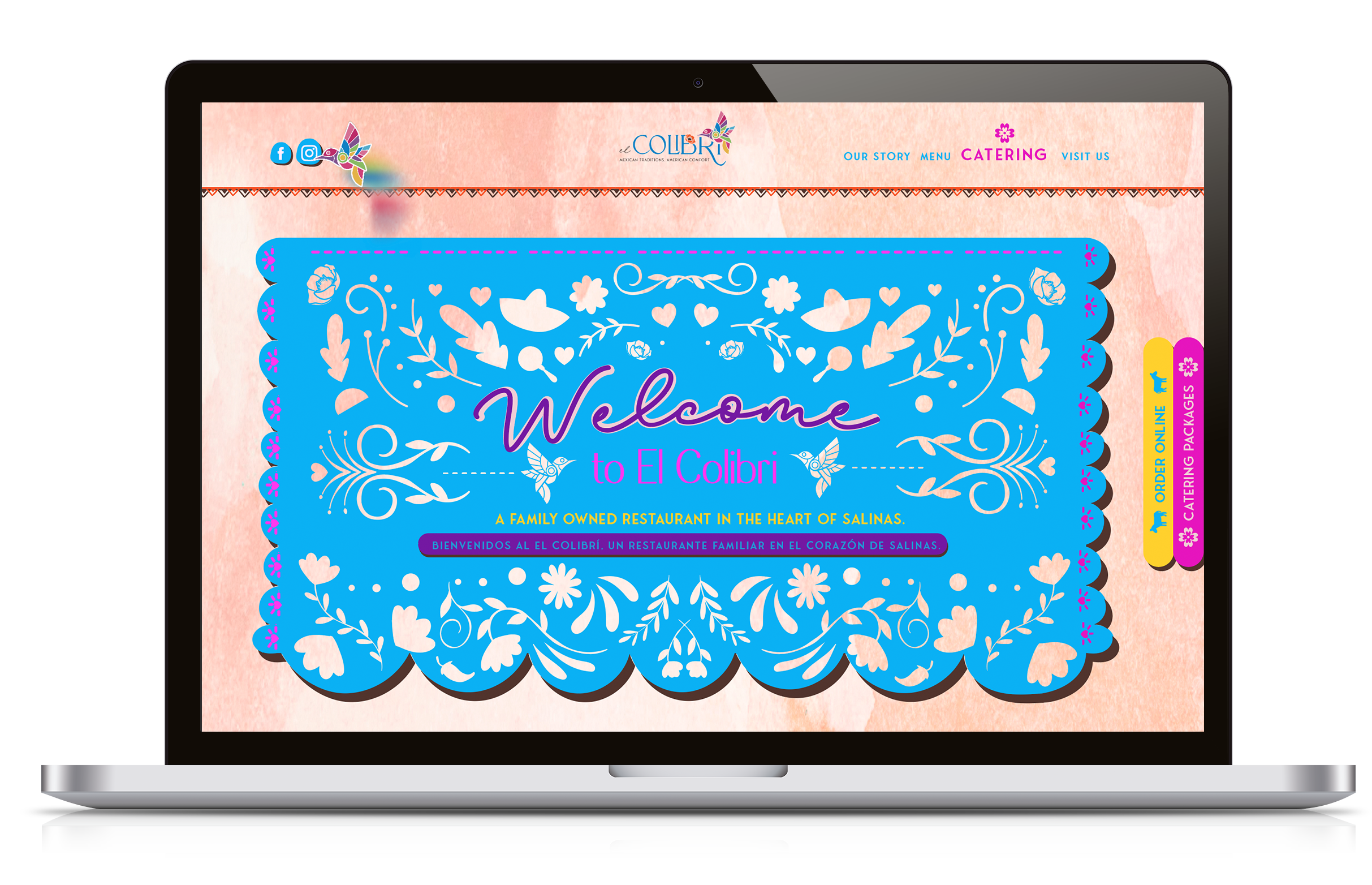
Catering pipeline
El Colibrí had a healthy dine-in business but catering revenue was inconsistent — a mix of word-of-mouth and one-off requests with no proactive lead generation. Maribel knew the kitchen could handle significantly more catering volume; what was missing was a system to drive demand and capture it cleanly when it came in.
A catering-specific landing page with menu samples, minimums, and a clean inquiry form.
Catering revenue in 90 days
Catering revenue becomes more predictable when a dedicated offer, landing path, and follow-up cadence exist before the next inquiry arrives.
Read the full case studyDecision support
The demand path and the operating path are separate decisions. This page should help prospects understand both before they ever start the application.
The right fit when the restaurant can protect a real events owner, respond within two business hours, and keep follow-up moving internally.
The right fit when the front-end pipeline can work, but the team is too stretched to prevent qualified inquiries from dying in the inbox.
Next step
the next step is the application.
Review the package fit, then apply. We use the application to confirm whether your team is better suited to Growth Engine or Events Concierge before we send a fit-call link.